What Is The Best Food For Dogs? 19 Vet-Approved Options To Keep Your Pup Healthy
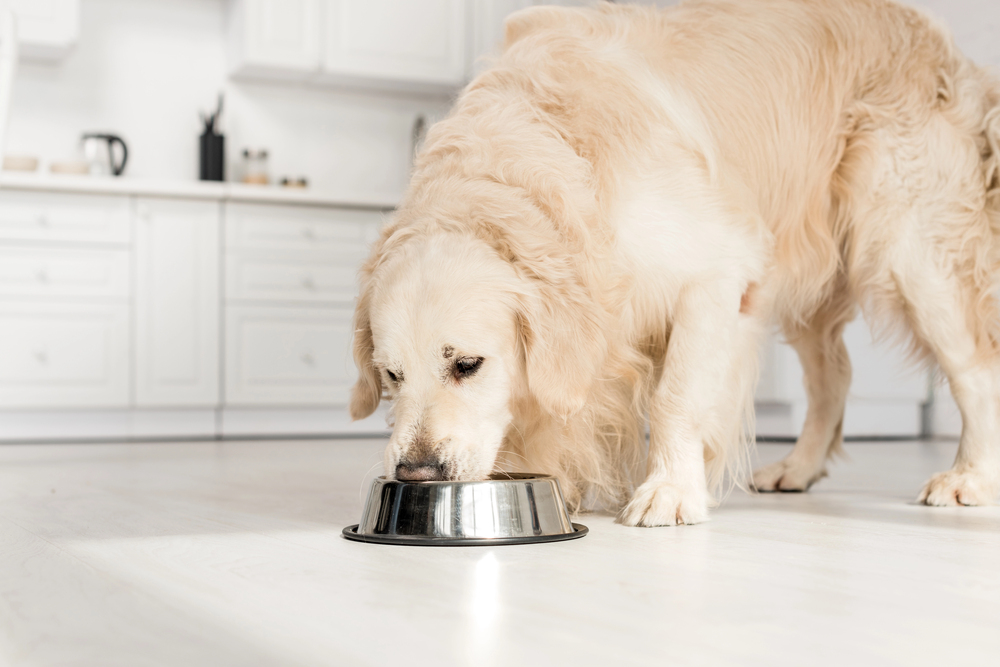
There are so many incredible foods for dogs, from specially formulated commercial dog foods to human foods that you can serve to them as a treat. In this guide, we go through all of our favorite foods for dogs, what place they have in a dog’s diet, and how you should serve them.
We build our wireless dog fences to keep dogs safe, happy, and healthy; these foods will help you keep your dog safe, happy, and healthy, too.
The Best Foods For Dogs
Dogs are omnivorous; that means they need a lot of different foods to meet their nutritional needs. All of the foods we list here (other than commercial dog foods) are ingredients; they’re not enough alone to meet your dog’s needs. When you look through the list, consider how you can combine these foods to create a balanced diet for your dog—and don’t forget to talk to your vet!
1. Chicken (Cooked & Unseasoned)
Chicken is a surefire winner for most dogs; it’s high in protein, low in fat, and tasty. We recommend unseasoned chicken to keep your pup’s sodium levels low.
When feeding your dog chicken, the biggest thing to watch out for is bones; chicken bones are a choking hazard, and they can break apart and wreak havoc on your dog’s gastrointestinal system. Meat only!
2. Turkey (Lean & Cooked)
Turkey is a great alternative for pups who don’t like chicken; chicken is also a common allergy for dogs. The same rules apply: Cooked, unseasoned, and lean to avoid excess fat. Meat only; no skin, no bones!
3. Salmon (Cooked, Boneless)
Salmon and other fish are delicious treats for dogs; they’re extremely high in protein and healthy, omega-3 fatty acids. You know the rules by now: No bones, no seasoning!
4. Beef (Lean Cuts, Cooked)
Lean cuts of cooked beef are incredibly nutritious. No bones, no seasoning, and well-cooked; even if you wouldn’t eat a steak well-done, it’s probably better for your dog’s digestive system to cook your beef all the way through.
5. Lamb
Lamb is an excellent source of protein, amino acids, and healthy fats for dogs, especially dogs who are allergic to chicken, beef, and other more common meats. You know the rules: No bones, fully cooked, lean cuts, no seasoning!
6. Eggs (Cooked)
Eggs are an excellent source of nutrients for pups: Vitamins A, B, D, and K, selenium, calcium, zinc, and, of course, a whole bunch of protein. One nice thing about eggs is how versatile they are; you can scramble them, hard-boil them, bake them, poach them—the list goes on! Be sure they’re cooked, though; salmonella affects dogs just like it affects humans.
7. Brown Rice Or White Rice
Brown rice is full of healthy minerals like magnesium, B vitamins, and fiber; this can make it a healthier alternative to white rice. White rice, on the other hand, is easier for dogs to digest, so it can be better for dogs with digestive issues. Both types of rice, in moderation (about ¼ cup for large dogs and no more than a tablespoon for small dogs), can be a great addition to your dog’s diet.
8. Oatmeal
Iron, zinc, B vitamins, and a lot of fiber—what more can you want from a grain? Oatmeal can be an excellent addition to your dog’s diet, but make sure it’s fully cooked and plain as can be; no raisins, no sugar, no cinnamon. Just pure, healthy oats. Oatmeal helps dogs feel full for longer, so it can be a great choice for when your pup is on a diet!
9. Sweet Potatoes
Sweet potatoes are naturally sweet, making them an excellent choice for when you want to give your dog a treat. They’re also high in fiber, beta-carotene, vitamin C, manganese, potassium, iron, and antioxidants. Make sure to fully cook your pup’s sweet potatoes, and don’t season them or add any butter.
10. Carrots
Carrots are an awesome treat for dogs; they can be served fully cooked or in their raw, crunchy form. They’re a great source of all kinds of nutrients, including vitamins A, K, and B6, potassium, calcium, iron, beta-carotene, and fiber. Serving your dog raw carrots? Be sure to cut them up into small, bite-sized pieces, and don’t feed them too many pieces at once!
11. Green Beans
Much like carrots, green beans are a healthy treat for dogs that can be served raw or cooked; they’re full of nutrients like iron, calcium, and vitamins A, B6, C, and K. They’re also a great source of protein and fiber, all while being low in calories; perfect for dogs who are a little overweight. You know the rules: No seasoning, no butter, no additives!
12. Blueberries
Want a sweeter treat for your pup? Blueberries can be the perfect choice; they’re rich in antioxidants and vitamins C and K, and they’re also a good source of fiber. They are relatively high in sugar, though, so be sure to feed your dog blueberries in moderation.
13. Pumpkin (Plain, Cooked, Or Canned)
Pumpkins are another great sweet treat, and one that you can serve cooked, canned, or raw. No matter how you serve it, pumpkin is a great source of nutrients: Vitamins A, C, and E, iron, potassium, and fiber. Pumpkin is also a great prebiotic, encouraging healthy bacterial growth in your dog’s digestive tract. Always serve plain, unseasoned pumpkin, and avoid canned pumpkins with extra ingredients or preservatives. Serving raw pumpkin? Be sure to cut it into bite-sized pieces!
14. Apples (Seedless)
Apples are a delicious treat for dogs; they’re high in vitamins A and C, potassium, and antioxidants. They’re also—you guessed it—a great source of fiber! Raw apples can also help to clean your dog’s teeth (though they’re no substitute for a dental care regimen). You can feed your dog raw or cooked apples, or even applesauce (with no added sugars or preservatives, of course—it has to be 100% apples). Just be sure to keep seeds and the apple’s core far away from your dog; apple seeds contain trace amounts of cyanide.
15. Bananas
Vitamins B6 and C, potassium, magnesium, and fiber, all in an easy-to-eat package? Bananas are a great treat for dogs, but like the other fruits on our list, remember that they’re high in sugar. Treat them as a sometimes food; one that’s great with a bit of peanut butter or even frozen. Just don’t feed your dog the peel!
16. Plain Greek Yogurt
Yogurt is high in calcium, high in protein, and a great way to encourage healthy bacteria in your dog’s gut. As always, make sure it’s plain; common artificial sweeteners like xylitol are toxic for dogs. You can always mix your dog’s yogurt with fruits, but use yogurt in moderation; some dogs are sensitive to lactose.
17. Cottage Cheese (Low-Fat)
Cottage cheese is a probiotic that’s high in protein, calcium, magnesium, vitamin A, amino acids, and potassium. You’ll want a low-fat, unsalted cottage cheese; as always, it must be plain. Plain white rice and cottage cheese can be a great way to keep your dog fed when they’re having digestive issues, but remember that some dogs are lactose intolerant!
18. Peas
Peas are a nutrient-rich snack for dogs, and they can be eaten fresh or frozen. Peas contain vitamin A, B, and K, iron, potassium, and antioxidants; they’re also a great source of fiber and protein. As always, keep your peas unsalted and preservative-free. We recommend shelling the peas; though pods that can be eaten by humans can usually be eaten by dogs, they can cause some digestive problems in some pups.
19. High-Quality Commercial Dog Food
Choosing the right commercial dog food for your dog can make feeding your pup a lot easier, and believe it or not, there are several very high-quality dog foods that you can feed to your dog every day, along with the dog-friendly human foods we listed above! Here’s what to consider when purchasing commercial dog food:
- How old is your dog? Do they need puppy food or adult dog food?
- Does the food you’re buying meet your dog’s dietary requirements?
- Is there breed-specific food that would work best for your dog? Are you trying to help your dog gain or lose weight?
- Does the food meet Association of American Feed Control Officials (AAFCO) guidelines?
Another excellent resource is the World Small Animal Veterinary Association (WSAVA) Guidelines on Selecting Pet Foods; it features a list of questions you can ask manufacturers to ensure that the food is right for your pup, including whether or not they have a board-certified animal nutritionist on staff.
Finally, talk to your vet about what foods they might recommend; they know your dog’s health better than anyone.
How To Choose The Best Food For Your Dog
Age & Breed Considerations
Puppies need energy-rich foods full of protein and fat, as well as calcium and phosphorus for healthy bone development. Adults need less food per pound than puppies, and senior dogs may need foods that help them manage their weight and joint health.
Much like your dog’s size will affect which of our underground dog fences you should get, your dog’s breed will also affect the food they should eat. Smaller dogs need more calorie-dense foods relative to their size. Large breeds can be more prone to joint and bone problems; they’ll need more antioxidants and foods that are high in calcium. Working dogs and very active dogs will need food that’s closer to what puppies eat: Energy-rich stuff that’s high in protein and healthy fats.
Dietary Restrictions & Allergies
When your dog is trying to lose weight, you’ll want low-calorie foods. You might find your pup is allergic to certain foods; that’s why it’s important to introduce new foods slowly, especially for puppies and new pets. Fortunately, dogs are omnivorous, so there are plenty of foods you can try if your dog has allergies.
Wet Vs. Dry Vs. Raw Dog Food
Fresh dog food (like the food we’ve described in the list above), commercial wet dog food and dry dog food, and even raw dog food can all have a place in your dog’s diet. The key here is balance; dogs are highly intelligent, high-energy omnivores, so they need a lot of nutrients from a lot of different sources.
The biggest point of caution is raw dog food; if it’s not handled properly, it can make your dog sick. Avoid it unless you’re absolutely sure you know what you’re doing, and talk to your vet before introducing raw dog food into your pup’s diet.
Talk To Your Vet Before Making Changes
Your vet knows your dog best. They can recommend the best dog food brands, treats, fresh foods, and more for your dog. They can also monitor your dog’s health, weight, and diet to see how changes have affected your dog, and even give you tips on when to feed your dog different foods (and how much to feed them).
Keep Your Well-Fed Pup Safe At Home
We wrote this article for the same reason that we developed our line of pet fences—because we want your dog to live their best life, all while staying happy, healthy, and safe. Talk to your vet about the right foods to give your dog a balanced diet—and talk to us if you want a fence that will keep your dog in your yard, without obscuring their view!
 Pet Stop
 Get a Free Quote
Connect with Your Local Pet Safety Experts at Pet Stop. Visit, call, or
chat with us – we’re here to help you create the ultimate safe haven for your pet.
Get a Free quote
Name *
Zip code where new fence is required *
What breed is your dog?
Phone Number to Call/Text *
Email (optional)
Address *
Stay Connected, Stay in Control
Brief introduction to the OT-300, highlighting remote control, real-time notifications, and easy setup through the Pet Stop Link App.
Download the App