Hydration For Dogs: How To Keep Your Pup Properly Hydrated
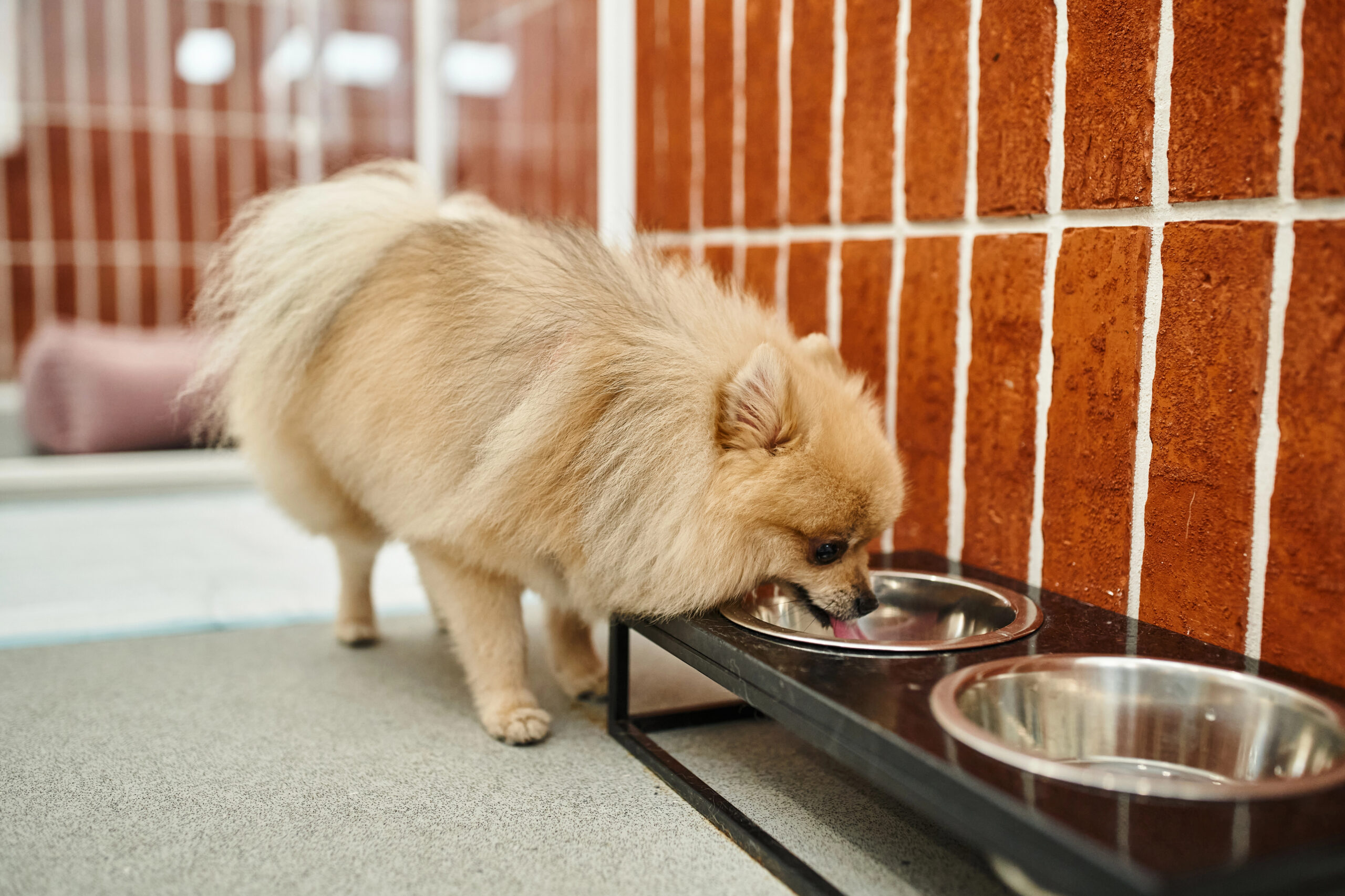
Like all living creatures, dogs need to stay hydrated to stay healthy. The average dog will drink about 1 ounce of water for every pound of body weight, but don’t worry about measuring out an exact amount.
You see, there really is no such thing as an “average dog”, and there are plenty of factors that will increase or decrease the amount of water your dog needs to drink (we’ll get into those later).
We have a few tips on how to keep your pup happy, healthy, and hydrated; let’s dive in!
How Do You Keep Your Dog Hydrated?
Put Water Bowls In Various Places In The House
Think of all the places in your home where you can get water. You might have a jug of cold water in your fridge, a water cooler, several sinks, and even the garden hose. Your pup, on the other hand, might only have one spot to drink water—their water bowl. Out of sight, out of mind; when your dog is having a blast playing with you or their toys, they might not even consider getting water if it isn’t close by.
Here’s the simple solution: Put water bowls around the house, in all of the places where your dog usually rests or plays. We also recommend leaving water bowls outside, especially if your pup is playing out there all day long, with the protection of one of our underground dog fences!
Add Water To Your Dog’s Food
Think about the last time you were dehydrated and you took a big bite of a piece of watermelon; it’s an incredibly refreshing experience.
Water in food contributes to hydration, and you can use that fact to help quench your dog’s thirst. One option is wet food; true to its name, it’s more hydrating than dry food.
Another option is to add water to your pup’s dry food. Some dogs find dry food that’s been rehydrated more palatable, and it can be a great choice for young pups or older dogs with dental problems. Just be sure that your dog eats all of their rehydrated food within an hour so that bacteria don’t get a chance to grow on your pup’s meal.
Get A Bigger Dog Bowl
Are you filling your dog’s water bowl twelve times a day? We’ve got the perfect solution: Get a bigger water bowl!
Ideally, your dog’s water bowl should almost never be empty; with full bowls of water, your dog can regulate their own water intake by drinking whenever they’re thirsty. Bigger water bowls allow you to keep each of your dogs’ bowls relatively full, 24/7.
You should still aim to replace the water in your dog’s bowls regularly and to wash out your dog’s bowl daily with soap and hot water to prevent bacterial growth. We know that this can be a bit of a chore when you have water bowls all around the house; one option is to have one or two large primary water bowls and some smaller water bowls throughout the house.
Create The Perfect Smoothie For Your Pup
Do you like smoothies? Believe it or not, your pup might too—they can be a healthy alternative to puppachinos (not that we have anything against those!), and can be made out of ingredients you might already have in the house! Some of these smoothies are so tasty, you might want to make one for yourself and one for your pup; best of all, they’re exceptionally good for hydration.
We like this list of 5 different dog-friendly smoothies that Neater Pets sourced from dog lovers across the internet. You can make your own; just be sure to avoid artificial sweeteners, chocolate, and any other foods that might be toxic to dogs!
Do Not Forget To Take Water Along
Wireless dog fences are great for keeping your dog happy and healthy within the boundaries of your yard, but when it’s time to go explore the wider world, you need to take fresh water with you. Dehydrated dogs may not be able to communicate their need for water to you, and if you don’t have water to give, your pup might end up getting sick.
Bring two or more large water bottles with you; one for you and one for your dog. Proper hydration is key on long walks outside; you can also bring hydrating treats with you. Having water on hand is essential any time you go out, not just during hot weather; if you’re leaving your house with your dog, bring water!
Try A Dog Drinking Fountain
Dog drinking fountains aren’t for every pup; there’s little evidence that dogs prefer running water (unlike cats, where some supporting evidence exists). As we said at the top, though, there’s no such thing as an “average dog”, and some dogs may prefer running water because of their personalities.
When your dog loves drinking from a garden hose and doesn’t seem to like their bowl, you can try a dog fountain. Dog fountains can also help filter out hair and food particles. Before you make the switch, however, consider cooling your dog’s water with ice cubes and cleaning out your dog’s water bowl more regularly; these things might encourage your dog to drink (and save you the cost of buying a water fountain your dog might not use).
What Causes Dehydration In Dogs?
Breathing, panting, digesting, and urinating; all of these essential biological processes cause your pup to lose fluids. Normally, these fluids are replaced when your dog eats or drinks. In some circumstances, however, your dog may lose more fluids and electrolytes than they consume; when this happens, your dog becomes dehydrated.
There are several reasons why dogs become dehydrated; being aware of them can help you keep your pup safe. Here are some of the most common reasons for dehydration:
- Lack of access to clean, fresh water
- Illness (especially if it causes excessive panting, urination, defecation, or vomiting)
- Fever or heatstroke (when your dog’s body temperature is too high, dehydration may occur
- Excessive panting caused by heat or overexertion
- Medications (some medications cause dehydration)
By being aware of the causes of dehydration, you can ensure that your dog has sufficient water. When you suspect that your dog is dehydrated because of illness, take them to the vet right away. They may use subcutaneous or intravenous fluids to rehydrate your pup.
What Are The Warning Signs Of Dehydration In Dogs?
Whether you just got a new dog for the first time or you’ve had dogs your whole life, you might not know the signs of dehydration. Most dogs are pretty good at letting their owners know when they’re thirsty, but that might not always be enough to communicate dehydration. Here are a few signs you can check, even when your dog isn’t communicating that they’re thirsty:
- Skin elasticity. Gently pinch and pull up the skin between your dog’s shoulders, pull it up, then release it. It should fall back into place right away; if it remains wrinkled or a bit deformed before falling back into place, your pup may be dehydrated.
- Dry eyes, nose, and mouth. A wet nose is a sign of a well-hydrated pup. When the nose is dry, your dog’s eyes seem sunken in, or their mouth seems dry, it’s a sign that they may be dehydrated.
- Sticky gums. When your dog’s gums seem sticky or pale, it’s another sign of dehydration.
Keep Your Dog Hydrated, Safe, And Ready For Adventure
You want to keep your pup well-hydrated and safe. We do too.
Our pet fence solutions allow your dog to roam around the yard and survey their domain safely. Put water bowls around the yard, and they’ll be able to spend hours enjoying the great outdoors.
All of our fences are made right here in the U.S.A., so they’re incredibly reliable, giving you peace of mind while giving your dog the freedom to play all day. Now that you know how to make sure they have enough water, you can rest easy, knowing your pup is living their best life.
 Pet Stop
 Get a Free Quote
Connect with Your Local Pet Safety Experts at Pet Stop. Visit, call, or
chat with us – we’re here to help you create the ultimate safe haven for your pet.
Get a Free quote
Name *
Zip code where new fence is required *
What breed is your dog?
Phone Number to Call/Text *
Email (optional)
Address *
Stay Connected, Stay in Control
Brief introduction to the OT-300, highlighting remote control, real-time notifications, and easy setup through the Pet Stop Link App.
Download the App