How To Off-Leash Train A Dog: A Step-By-Step Guide For Safe, Reliable Freedom
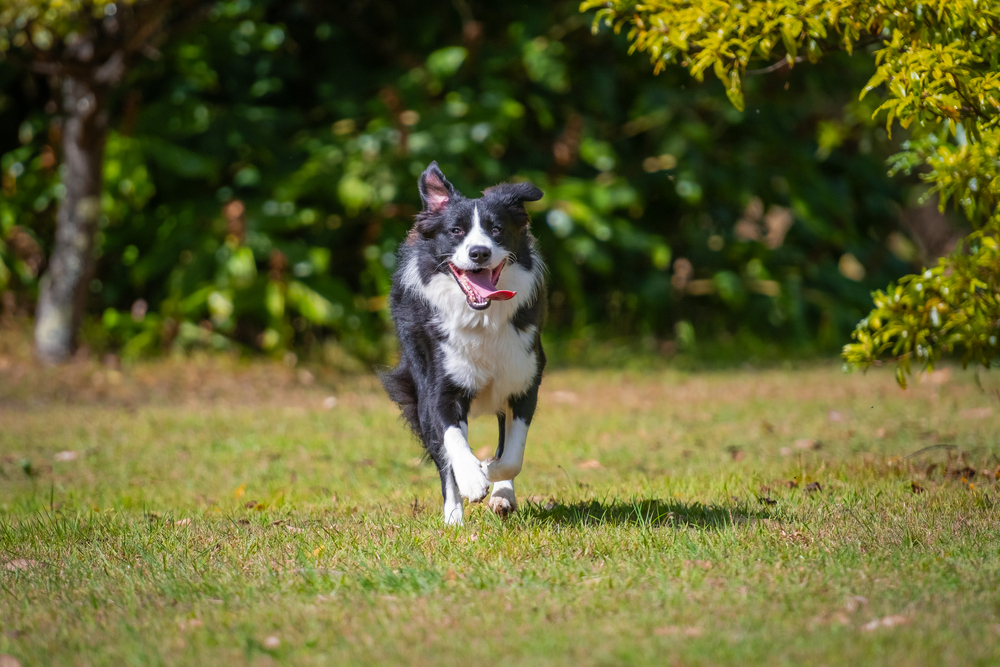
Dogs love walking off-leash; they can run freely, investigate curious smells, and meet new people and animals. Off-leash walking poses certain risks, but if you master off-leash training, the benefits are well worth the effort. Here’s how to do it:
What Is Off-Leash Dog Training?
Walking on a leash offers a lot of security; your dog can only move so far away from you when they’re on a leash. Walking on a leash can be less fulfilling for your pup; however, they don’t get to indulge their natural instincts to explore, and they might get frustrated by your pace.
Off-leashing training lets your dog run, explore, and play safely—when it’s done properly, your dog will never run too far from your side, and will come back to you the moment you call. This guide will teach you how to master off-leash walks.
Benefits Of Off-Leash Freedom
Off-leash walks are a huge benefit to your pup, who will be able to explore at their own pace—and to you, because you’ll be able to rest your arms and enjoy the thrill of watching your dog live their best life.
Best Dog Breeds For Off-Leash Training
Herding dogs (like Border Collies and Australian Shepherds) and gundogs (like Golden Retrievers and Cocker Spaniels) were quite literally bred for off-leash work; they can typically learn verbal commands fairly quickly, and can focus their attention on you, even when surrounded by distractions.
Terriers, hound dogs, and guardian breeds are less well-suited to off-leash walking—terriers have too high a prey drive, hound dogs get distracted by scents, and guardians are bred to protect.
Almost any dog can be trained to walk off-leash with the right structure and incentives—even those that are less naturally inclined to off-leash training. This guide will help!
How To Know If Your Dog Is Ready For Off-Leash Training
Age, Temperament, And Obedience Level
The age of your dog can have a counterintuitive relationship with off-leash training. Young puppies will want to stay near you, so off-leash training can start early (3 to 6 months), but they’ll hardly ever wander off. At 6 months or older, their recall might be excellent, but it might just be that they’d rather spend time with you. Without proper training, they may simply start running off once they’re older.
This means that no matter how old your dog is, following a consistent training regimen is key. You can train a new puppy or an old dog to walk off-leash (though younger dogs are typically easier to train).
Your dog’s temperament is also key; if they try to chase cars while they’re on-leash, imagine what they’ll do off-leash. Be honest with yourself about whether or not your dog is right for off-leash walks.
Finally, you need a high level of obedience training before you even consider off-leash walking. Sit, stay, down, go, heel, recall, drop it, leave it, and look commands should all be mastered on-leash before off-leash training begins.
Signs Your Dog May Not Be Ready
Your dog may not be ready for off-leash walks if:
- They are anxious
- They are aggressive
- They have poor recall
- They have poor impulse control
- They are not spayed or neutered
- They have not mastered basic obedience training
Risks Of Off-Leash Dog Training
Safety Hazards To Be Aware Of
You cannot physically control your dog when they are off-leash. This means that your dog might:
- Run away
- Get into fights with people or animals, risking injury to themselves or others
- Eat or drink something they shouldn’t
- Get hit by cars, bikes, or other vehicles
- Scare people who are afraid of dogs (even if your pup is friendly)
Proper training is absolutely crucial, and even when your pup is trained to walk off-leash, you should reserve off-leash activities to areas that are relatively free of people and hazards.
Leash Laws & Local Regulations
Before walking your dog off-leash, you need to be aware of the leash laws in your area. Even if your dog has perfect recall, some areas do not permit off-leash dogs; you don’t want to have to pay those fines. You should also ensure that your dog has a collar with an ID tag on at all times when off-leash walking; microchipping your dog is also a very good idea.
Step-By-Step: How To Off-Leash Train A Dog
1. Start With Strong Obedience Basics
Your dog must have mastered obedience, both at home and on leash, before off-leash training begins. Here are the basic commands:
Sit: Your dog sits and looks at you
Stay: Your dog stays in place, even if there are other distractions
Down: Your dog lies down Go: Your dog goes to a place (go crate, go bed)
Heel: Your dog walks beside you
Come: Your dog comes to you
Look: Your dog looks at something you want them to
Drop it: Your dog drops whatever is in their mouth
Leave it: Your dog walks away from something (often whatever they’ve just dropped)
2. Use Positive Reinforcement & High-Value Treats
When training your dog, whether for the obedience training above, long-leash training, or off-leash training, reward them consistently. Bring treats that they love, and reward every time they perform an action you want them to, like heel or recall. Show them lots of love, too—ear scratches, pets, and “good boy” or “good girl” go a long way.
3. Introduce A Long Leash For Control
Long leashes give your dog more freedom to roam while still giving you physical control; they’re a perfect introduction to off-leash walking. Get a retractable long leash so that you can restrict your pup’s movement if there are hazardous distractions.
4. Practice In Fenced Or Controlled Environments
Start off-leash training in your own home; your dog will be at their least distracted, and most able to learn new commands. Once you’ve perfected those commands indoors, bring your dog into your backyard and practice again. This is only feasible if you have a fence; an underground fence from Pet Stop is a great solution for off-leash training in your yard (more on that later).
Once you’ve got perfect recall in your own yard, you can move to quiet parks or other environments where there are few distractions—just make sure off-leash pets are allowed!
5. Train Emergency Recall Commands
Emergency recall is a command that differs from the typical “Come” recall command, and emergency recalls should only be used in case of emergencies. Whistling is a common emergency recall command; a sharp whistle carries well.
Here are some rules for training emergency recall:
- Use extremely high-value treats for emergency recall (chicken, cheese, or something else your dog absolutely loves).
- Train the command once a day, every day, at home, until your pup recalls 7 days in a row on the first try.
- Train outdoors, in your yard, once a day, every day. Your dog should recall on the first try; if they don’t, train them indoors again for a bit.
- Practice the recall randomly once a week, once your dog has mastered it, either on a long leash or off-leash.
6. Reward, Repeat, And Increase Distractions
Continuously practice recall and off-leash walking—ideally for at least 10 minutes a day—in more and more distracting environments. Reward your dog for each successful venture and for each successful recall.
What To Do If Your Dog Runs Away Off Leash
Stay Calm & Use Recall Cues
Your dog will inevitably run off while off-leash; that’s why you’ve perfected recall. Keep treats on you, use your recall command, and consider giving the treat bag a shake.
Avoid Chasing – Encourage Them To Return
Dogs love being chased; you’re playing with them! That’s why it’s the last thing you want to do if they run off; simply use your recall commands.
Recommended Gear For Off-Leash Training
Smart Collars & GPS Solutions
Smart collars equipped with GPS trackers are a great way of walking your dog off-leash with confidence; the GPS collars can help you find your dog, even if all of your training fails and they run off.
At Pet Stop, we have smart dog collars with a different design; they help you train your dog to enjoy life off-leash in your own backyard.
Underground Pet Fences
An underground pet fence can help you train your dog to stay off-leash in your yard—no physical barrier required. At Pet Stop, we’ve created our own training program, GentleSteps, to help you train your dog to spend time off-leash in your yard.
The program follows three steps: Introducing your pup to the boundaries of your pet fence, conditioning your dog through stimulation, and reinforcing the behavior through gentle reinforcement.
Your pup can live a happier, healthier life with off-leash training in your own backyard. A wireless fence from Pet Stop can help; our high-quality fences are made right here in the U.S.A. Contact us today!
 Pet Stop
 Get a Free Quote
Connect with Your Local Pet Safety Experts at Pet Stop. Visit, call, or
chat with us – we’re here to help you create the ultimate safe haven for your pet.
Get a Free quote
Name *
Zip code where new fence is required *
What breed is your dog?
Phone Number to Call/Text *
Email (optional)
Address *
Stay Connected, Stay in Control
Brief introduction to the OT-300, highlighting remote control, real-time notifications, and easy setup through the Pet Stop Link App.
Download the App