Leaving Your Dog Home Alone While At Work: A Guilt-Free Guide
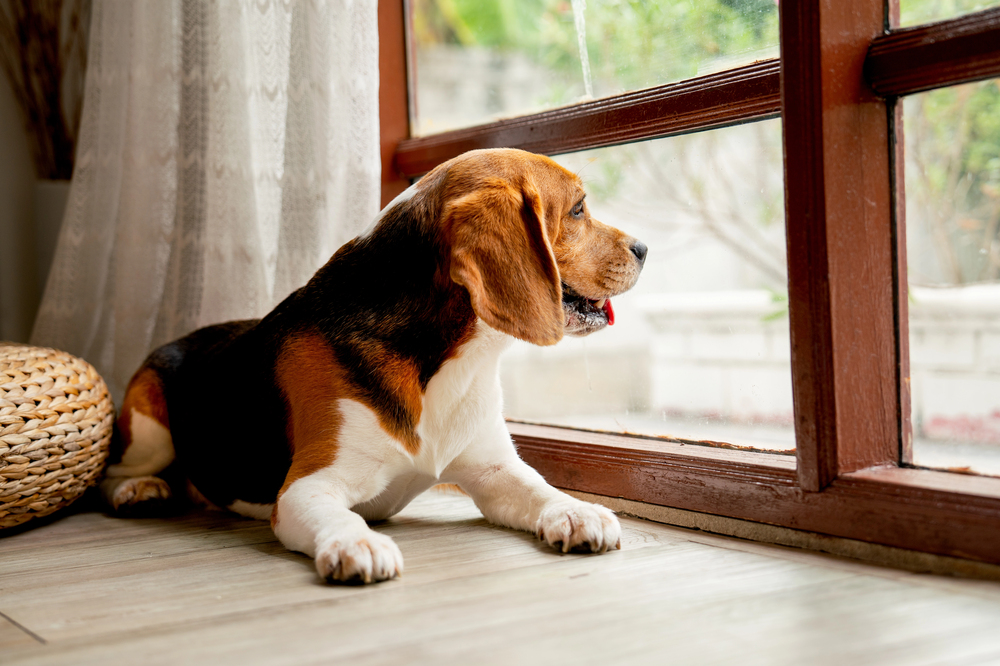
Everyone needs to leave their dog alone once in a while; for many of us, the longest time our dogs will be alone is for 8 to 9 hours a day, while we’re at work. Your dog can have happy, healthy, fulfilling experiences while you’re away at work; here’s how to do it, so you can get your job done every day, guilt-free:
How To Leave Your Dog Home Alone: 8 Best Practices
1. Create A Safe, Comfortable Space For Your Dog
Everyone has spaces in their home where they feel the most comfortable; your dog is no exception. By creating a space that’s reserved for their use, you can give your pup a place to feel comfortable and safe when you’re away. We recommend including a dog bed and some toys in the space, with water nearby. Some blankets and other comfortable fabrics can help cozy up the space; put one or two items of clothing you own there, too, so your dog can cuddle up with something that reminds them of you.
2. Understand Your Dog’s Breed & Behavioral Needs
Highly active working dogs, from Border Collies to Australian Shepherds, tend to do worse at home for long periods of time, while other breeds like French Bulldogs and Bichon Frises can do wonderfully without a lot of stimulation.
Of course, every dog is different, and you might find your Australian Shepherd loves to lounge, or that your Frenchie can’t stop running around. Consider both your dog’s breed and their behavior before leaving them alone, and don’t leave them alone for too long at first; test the waters slowly!
3. Provide Mental Stimulation & Entertainment
- There are so many different ways of keeping your dog entertained. You can:
- Set up dog puzzles for them to solve.
- Give them hollow toys with peanut butter and treats.
- Place their favorite toys all around your house for them to search for.
- Get an automatic ball launcher for dogs who go outside.
Want to let your dog outside while you’re at work, but don’t want to buy a whole fence? An underground fence from Pet Stop could be the perfect fit; they’re made in the U.S.A., and great for high-energy dogs who need time outdoors while you’re away.
4. Ensure They Go Potty Before You Leave.
Imagine not being able to use the washroom for 8 hours straight; not a fun thought! If you don’t have a dog door to let your dog pee when they want to, make sure to take them out before you leave for the day.
5. Help Them Burn Off Energy With Exercise:
Take your dog out for a run in the morning, and take them for another run in the evening. Play with them. Take them on long walks. The more energy you burn in the morning and the evening, the happier your dog will be when you leave for the day; a tired dog is often a happy dog.
6. Let In Natural Light With Open Curtains Or Blinds
Your dog wants to see the world (and we’re willing to bet that your neighbors want to see your dog). Leave curtains and blinds open so that your dog can enjoy the sunshine and a great view. They don’t need to be open throughout your house, but we do recommend setting up your dog’s space near a window where you’re comfortable leaving the blinds open.
7. Practice Leaving For Short Periods First
When you’ve got a new puppy, a newly adopted dog, or an anxious dog who hasn’t seen you leave the house for extended periods of time, it’s so important to start slowly. Leave for just a few minutes without them, then come back. Slowly increase the time you spend away until you can leave for an hour or two; work your way up to eight hours.
You’ll want to stay calm and even-voiced when you leave; consider encouraging your pup to stay good by giving them a little treat before you walk out the door.
8. Reconnect With Love When You Get Home
You’re back from work; your dog is excited, you’re tired—but, hopefully, also excited. Spend some time petting your pup, and consider giving them a little treat for being on their best behavior while you were away. Have the energy? Take them for a walk, play with them, or even visit a dog park; reinforce that you will come back, and when you do, you’ll have a great time together.
12 Helpful Tips For Leaving A Dog Home Alone While You’re At Work
1. Leave The TV Or Radio On For Background Noise
There are so many noises in the neighborhood, and when you’re at home, your house probably isn’t dead quiet. Putting the TV or radio on creates comforting ambient noise for your pup, and that makes everything feel a little more normal. TV shows featuring animals can even be mentally stimulating for your dog!
2. Stick To A Consistent Routine Or Schedule
Try to leave at the same time and come back at the same time every day; that way, your dog can predict when you’re going to come home, and won’t get stressed if you don’t show up when they’re expecting you to.
3. Play Calming Music Like Classical Tunes
Playing classical music and other soothing music like soft rock can help soothe dogs; dogs, like humans, have their own personalities and preferences when it comes to music, so be sure to experiment with a few different genres! For dogs with separation anxiety, we recommend playing the same music while you’re at home as you play when you’re away, so they don’t associate certain songs with you being gone.
4. Crate Train Your Dog For Safety & Comfort
Crate training your dog can keep them safe and help them calm their anxiety without destroying your furniture. We recommend reading the American Kennel Club’s crate training guide. Not sure a crate is right for your pup? They might do better expending energy outside; a wireless fence can help them stay in your yard and burn off anxious energy.
5. Try Doggy Daycare A Few Days A Week
Don’t want to leave your dog alone? A doggy daycare can keep them healthy, happy, and give them the chance to socialize with other dogs. They don’t have to go to doggy daycare every day, but a few days a week can be a real help.
6. Hire A Dog Walker For Midday Exercise
A dog walker can help your furry friend enjoy some much-needed exercise; we recommend a mid-day visit to limit the stretch of time your dog is alone.
7. Consider Getting A Second Dog For Companionship
The only thing better than one dog is two dogs (and the only thing better than two is three—you get the drift)! Getting your dog another furry friend to spend time with can help you meet your dog’s emotional needs even when you leave them alone, and a new dog means a new family member for you to love. It’s the best of all worlds!
8. Use An Automatic Dog Feeder
When you’re going to be long for an extended period of time, an automatic dog feeder can ensure that your pup gets the nutrition they need while you’re away.
9. Monitor With A Smart Home Camera System
You might not know how your dog spends their time while you’re away. A smart home camera can help you tailor your dog’s experience to their needs; it can also help you catch destructive behavior so you can find strategies to keep your pup and your property safe.
10. Hire A Trusted Dog Sitter
You don’t need to leave your dog home alone if you hire a dog sitter to spend time with them; perfect if you don’t want to bring your pup to a doggy daycare!
11. Stop Home For A Midday Check-In
Have some time on your lunch break? What better way to spend it than with your pup? Stop in, play together, and get some much-needed cuddle time in.
12. Keep Them Mentally Engaged With Training Classes
Your dog needs both physical and mental stimulation. Training classes in the morning or evening can help them burn off some energy, and your pup will learn some tricks that can help with recall and other obedience essentials, and give you the opportunity to spend more time together.
How Long Can You Leave A Dog Alone During The Workday?
The length of time you can leave your dog alone during the workday varies based on age, breed, and temperament. Young puppies can only spend an hour or two alone; you should leave them alone gradually, for minutes at a time. There’s a rule of thumb that says you can leave them alone for one hour for every month of age, but that’s too vague; your mileage may vary with your dog. Adult dogs can typically be left alone for 8 hours, but your dog might be different. Install home cameras to see how your dog does with their alone time; adjust if you see that your dog needs a little more time with people.
Signs Your Dog Has Separation Anxiety
Destructive behavior, excessive barking and howling, urinating and defecating in places where they wouldn’t normally, trying to escape, and pacing back and forth on the same path are all signs of separation anxiety. These signs are typically only indicative of separation anxiety if your dog does them while you’re not around.
How To Protect Your Home When Leaving A Dog Alone
Creating a safe, comfortable environment for your dog is the best way of keeping them protected while you’re away. Have a dog who loves spending time outside while you’re away? We highly recommend protecting them with a pet fence!
 Pet Stop
 Get a Free Quote
Connect with Your Local Pet Safety Experts at Pet Stop. Visit, call, or
chat with us – we’re here to help you create the ultimate safe haven for your pet.
Get a Free quote
Name *
Zip code where new fence is required *
What breed is your dog?
Phone Number to Call/Text *
Email (optional)
Address *
Stay Connected, Stay in Control
Brief introduction to the OT-300, highlighting remote control, real-time notifications, and easy setup through the Pet Stop Link App.
Download the App